SoftActivity is glad to announce the release of new version 10.1 of Activity Monitor – its leading employee monitoring security solution.
Improvements in version 10.1:
Tear off a monitoring tab and move it to another monitor, like tabs in popular browsers. You can do this by dragging a tab and dropping it outside the main window. You can also drop the tab inside the main window to split it and display 2 or more computers next to each other (Watch Video);
Refresh Screen button has been re-added due to requests by our customers. It was previously removed in version 10.0;
Tested with Windows 10 Preview. Official support is to be announced upon Windows 10 release;
fix: recording of Outlook on Windows XP machines was broken a few versions ago;
Companies have rights, such as being able to ensure that their employees are performing the work they’re being paid to do. They have the right to take measures to protect their ‘secret sauce’ or intellectual property. That said, employees working in a company have a reasonable expectation of privacy. How does that square with companies using employee monitoring software?
If your employees aren’t being productive at work, maybe the problem isn’t starting with them. Maybe it’s your management style. No offense, but we often find that our customers start looking for an employee monitoring solution before they’ve dealt with longstanding internal management issues that have soured the workplace for far too long.
You’re looking at an employee computer monitoring solution because you’re just not getting a good level of productivity out of your people. Instead of doing their work on your computers, they’re leveling up as panda shamans in MMO games or updating their social network. Computer monitoring is part of the solution – but if you want your workers to be their best, you need to run your office in the right way. We chatted with renowned productivity coach Mike Vardy of The Productivityist about how to achieve that:
The NHL hockey playoffs had just begun when our customers were already sharing colorful anecdotes with us about how our employee monitoring solution was helping them maintain a shutout on wasted time. There’s nothing wrong with being a hockey fan – heck, include us in that lot. But if you want to check the scores after work, that’s probably a better strategy than tweeting about your hero’s hat trick while you’re supposed to be productive at your desktop.
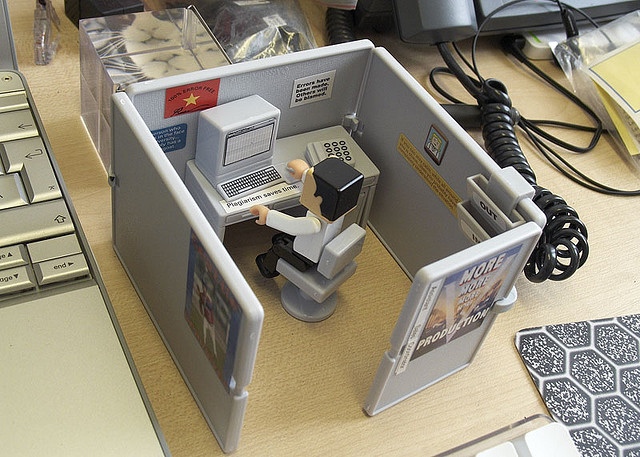
How much time do your employees spend actually working? Less than you might think – potentially, a lot less. In Britain, an urban myth caught on that a man had died at the office and none of his co-workers noticed while wandering by his cubicle until the fifth day. It wasn’t true – but the reason the story caught so much traction is that it was just so believable. It’s easy to imagine the anonymous cog of an employee being ignored as he literally rots at his desk – because workers are often disconnected not just from the work they’re doing, but from their own co-workers in the next line of cubicles.
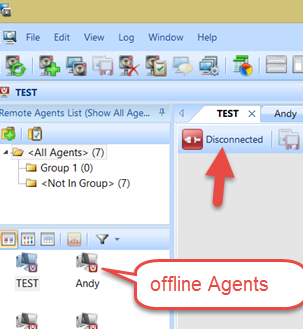
Problem: Remote computers do not appear in the list in SoftActivity Monitor, show as offline (red icons), or you cannot connect to the monitored computers.
We use cookies for website functionality and security (necessary cookies). They are always enabled. We also use cookies for website analytics and personalized ads. By clicking ‘Accept’, you consent to the use of cookies on this website. To get more information or withdraw consent please check our Privacy Policy.